Applied System
Onboarding Bot
Overiew
New Salesforce customers weren’t onboarding. They were scavenging. The ecosystem was so large and fragmented that first-time users spent more time searching for where to begin than actually using the product. Support saw the same foundational questions on repeat, and adoption lagged because customers stalled before taking their first meaningful action.
I analyzed support tickets, community threads, and onboarding queries to understand where new users consistently got stuck. The patterns were clear. People didn’t know where to configure core features, couldn’t find the right settings, struggled to understand feature differences, and weren’t sure which tool to use for which workflow. The issue wasn’t technical ability. It was cognitive load, fragmentation, and documentation that didn’t meet people where they were.
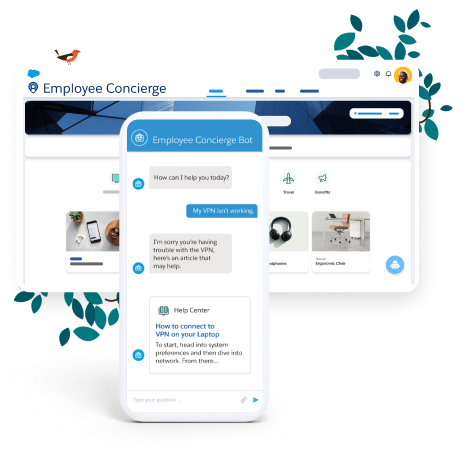
I designed the Easy Bot as an onboarding layer that made the ecosystem navigable. It identified who the customer was, what they were trying to do, and how much context they already had. Then it provided the exact next step, the correct feature, or the right configuration instructions without sending users through long learning paths or scattered documentation.
The bot became a guidance engine that shortened the distance between “I’m lost” and “I can take action.”
Purpose
Create a conversational onboarding guide that reduces cognitive load, accelerates activation, and gives users a clear path through a complex ecosystem.
System Architecture
1. Inputs
- First-30-days user questions
- Support and community patterns
- Feature confusion points
- Documented vs. undocumented workflows
2. Pattern Analysis
- Frequent “where do I start” blockers
- Misaligned mental models
- Repeated configuration questions
- Gaps between documentation and lived user experience
3. Guidance Engine Output
- User identification (role, goal, context)
- Direct feature routing
- Step-by-step configuration guidance
- Clarification of tool differences
- Clean conversational handoffs to deeper learning when needed
Patterns Identified
- Most onboarding friction came from fragmentation, not lack of skill
- Users needed decision support, not more documentation
- Foundational questions repeated across every customer segment
- Activation depends on early clarity, not volume of resources
- Guidance must happen in-flow, not after a long detour
Impact
- Faster activation for new customers
- Reduced ticket volume for foundational guidance questions
- Higher usage from users who previously stalled in onboarding
- Specialists freed from repetitive “where do I start” inquiries
- A scalable entry layer that made a complex product feel navigable
Applied System
Onboarding Bot
Overiew
New Salesforce customers weren’t onboarding. They were scavenging. The ecosystem was so large and fragmented that first-time users spent more time searching for where to begin than actually using the product. Support saw the same foundational questions on repeat, and adoption lagged because customers stalled before taking their first meaningful action.
I analyzed support tickets, community threads, and onboarding queries to understand where new users consistently got stuck. The patterns were clear. People didn’t know where to configure core features, couldn’t find the right settings, struggled to understand feature differences, and weren’t sure which tool to use for which workflow. The issue wasn’t technical ability. It was cognitive load, fragmentation, and documentation that didn’t meet people where they were.
I designed the Easy Bot as an onboarding layer that made the ecosystem navigable. It identified who the customer was, what they were trying to do, and how much context they already had. Then it provided the exact next step, the correct feature, or the right configuration instructions without sending users through long learning paths or scattered documentation.
The bot became a guidance engine that shortened the distance between “I’m lost” and “I can take action.”
Purpose
Create a conversational onboarding guide that reduces cognitive load, accelerates activation, and gives users a clear path through a complex ecosystem.
System Architecture
1. Inputs
- First-30-days user questions
- Support and community patterns
- Feature confusion points
- Documented vs. undocumented workflows
2. Pattern Analysis
- Frequent “where do I start” blockers
- Misaligned mental models
- Repeated configuration questions
- Gaps between documentation and lived user experience
3. Guidance Engine Output
- User identification (role, goal, context)
- Direct feature routing
- Step-by-step configuration guidance
- Clarification of tool differences
- Clean conversational handoffs to deeper learning when needed
Patterns Identified
- Most onboarding friction came from fragmentation, not lack of skill
- Users needed decision support, not more documentation
- Foundational questions repeated across every customer segment
- Activation depends on early clarity, not volume of resources
- Guidance must happen in-flow, not after a long detour
Impact
- Faster activation for new customers
- Reduced ticket volume for foundational guidance questions
- Higher usage from users who previously stalled in onboarding
- Specialists freed from repetitive “where do I start” inquiries
- A scalable entry layer that made a complex product feel navigable
Applied System
Onboarding Bot
Overiew
New Salesforce customers weren’t onboarding. They were scavenging. The ecosystem was so large and fragmented that first-time users spent more time searching for where to begin than actually using the product. Support saw the same foundational questions on repeat, and adoption lagged because customers stalled before taking their first meaningful action.
I analyzed support tickets, community threads, and onboarding queries to understand where new users consistently got stuck. The patterns were clear. People didn’t know where to configure core features, couldn’t find the right settings, struggled to understand feature differences, and weren’t sure which tool to use for which workflow. The issue wasn’t technical ability. It was cognitive load, fragmentation, and documentation that didn’t meet people where they were.
I designed the Easy Bot as an onboarding layer that made the ecosystem navigable. It identified who the customer was, what they were trying to do, and how much context they already had. Then it provided the exact next step, the correct feature, or the right configuration instructions without sending users through long learning paths or scattered documentation.
The bot became a guidance engine that shortened the distance between “I’m lost” and “I can take action.”
Purpose
Create a conversational onboarding guide that reduces cognitive load, accelerates activation, and gives users a clear path through a complex ecosystem.
System Architecture
1. Inputs
- First-30-days user questions
- Support and community patterns
- Feature confusion points
- Documented vs. undocumented workflows
2. Pattern Analysis
- Frequent “where do I start” blockers
- Misaligned mental models
- Repeated configuration questions
- Gaps between documentation and lived user experience
3. Guidance Engine Output
- User identification (role, goal, context)
- Direct feature routing
- Step-by-step configuration guidance
- Clarification of tool differences
- Clean conversational handoffs to deeper learning when needed
Patterns Identified
- Most onboarding friction came from fragmentation, not lack of skill
- Users needed decision support, not more documentation
- Foundational questions repeated across every customer segment
- Activation depends on early clarity, not volume of resources
- Guidance must happen in-flow, not after a long detour
Impact
- Faster activation for new customers
- Reduced ticket volume for foundational guidance questions
- Higher usage from users who previously stalled in onboarding
- Specialists freed from repetitive “where do I start” inquiries
- A scalable entry layer that made a complex product feel navigable